
What Are Buyers Really Saying About Your House After They Leave?
The showing ends.
The buyers put their shoes back on, walk out the door and get into their car.
And then the real conversation starts.
If you're selling, you've probably wondered:
“What are they actually saying about my house?”
Usually, it's far more revealing than “We liked it” or “It's not for us.”
Buyers notice things you've stopped noticing
You've lived with the slightly dark family room for eight years.
You don't notice it anymore.
You know the basement has an odd layout, but you've figured out how to use it.
That tiny crack, worn floorboard or awkward front entrance? It became part of the background a long time ago.
A buyer sees everything for the first time.
And because they're comparing your home with several others, they're often evaluating things you stopped seeing years ago.
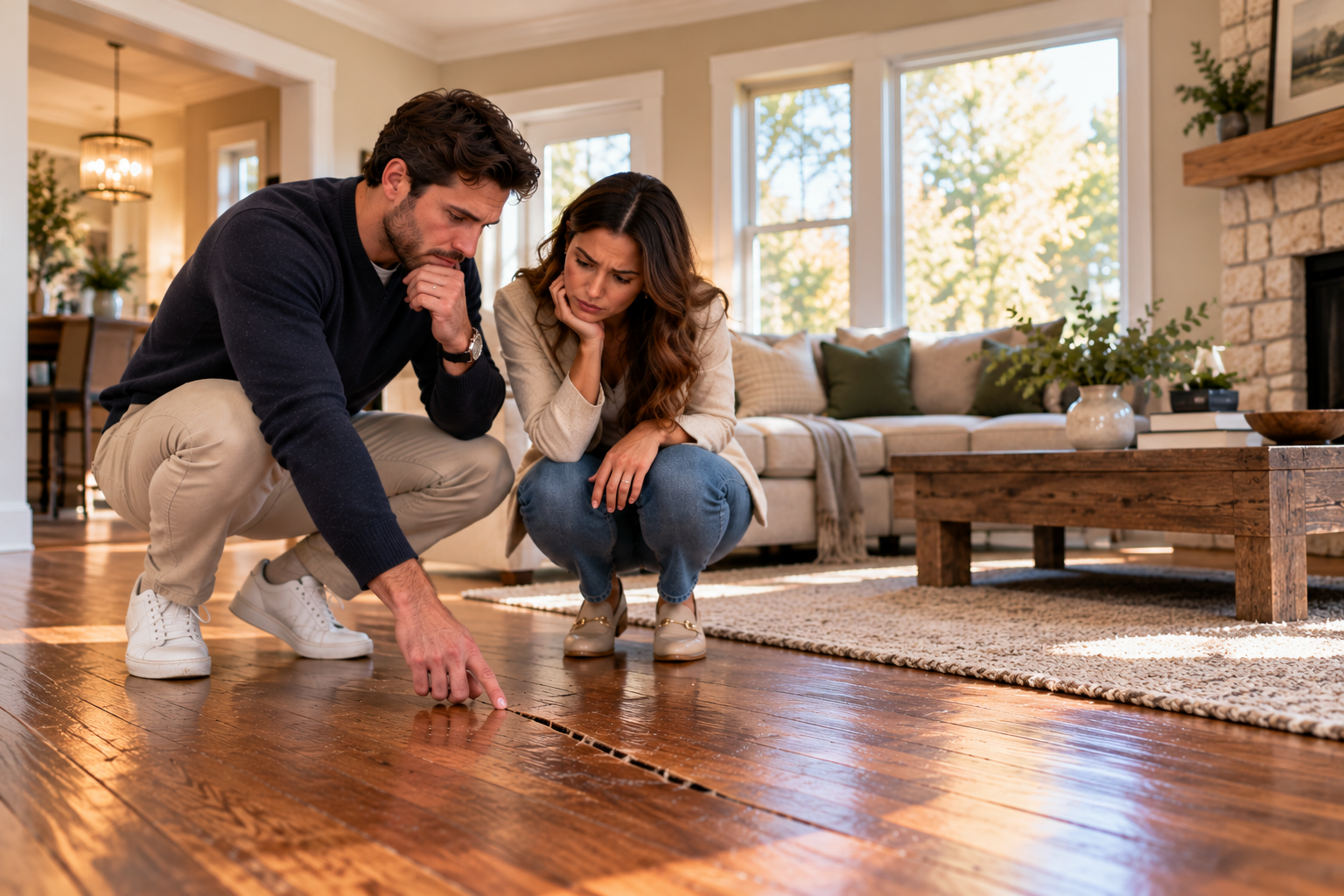
A dated kitchen isn't always the problem
Sellers sometimes assume buyers reject a home because something isn't renovated.
Not necessarily.
I've seen buyers happily consider dated kitchens when the price, layout, location and overall condition make sense.
The bigger problem is when the buyer mentally starts adding costs:
Kitchen: $50,000.
Bathrooms: another $25,000.
Floors…
Windows…
Landscaping…
Suddenly they've created a renovation budget in their head that may be much larger than the actual cost.
That's when a cosmetic objection becomes a value objection.
“They liked it, but…”
This is feedback I pay attention to.
One buyer saying the primary bedroom feels small doesn't tell us much.
Five buyers saying it does?
Now we have information.
The same goes for price, condition, layout or even something outside the property.
Feedback isn't about changing your house every time someone has an opinion. It's about watching for patterns.
If there are showings but no offers, is the price wrong?
Not automatically.
But it's a question we need to ask.
There is an important difference between:
Nobody is coming to see the house.
and
People are seeing the house but nobody wants to buy it.
Those two situations can require very different conversations.
Price may be part of it. Presentation may be part of it. Competition may have changed. Or buyers may consistently be encountering an objection we need to understand.
That's why I don't believe in looking at days on market in isolation.
Rebecca's Advice
Once your home is listed, stop thinking like the owner for a moment.
Think like the buyer.
What are they comparing you to?
What will they have to spend after closing?
What feels difficult to change?
And most importantly:
Does the value make sense compared with their other choices?
Rebecca's Insider Tip
Don't overreact to one showing.
Look for repetition.
When different buyers independently start saying the same thing, they're giving us market intelligence.
Sometimes we can fix the issue.
Sometimes we can't.
And sometimes the solution is simply making sure the price properly reflects it.
Your home doesn't need to be perfect to sell.
But we do need to understand how buyers are experiencing it — because the conversation that happens after they leave your house can tell us a lot about what should happen next.